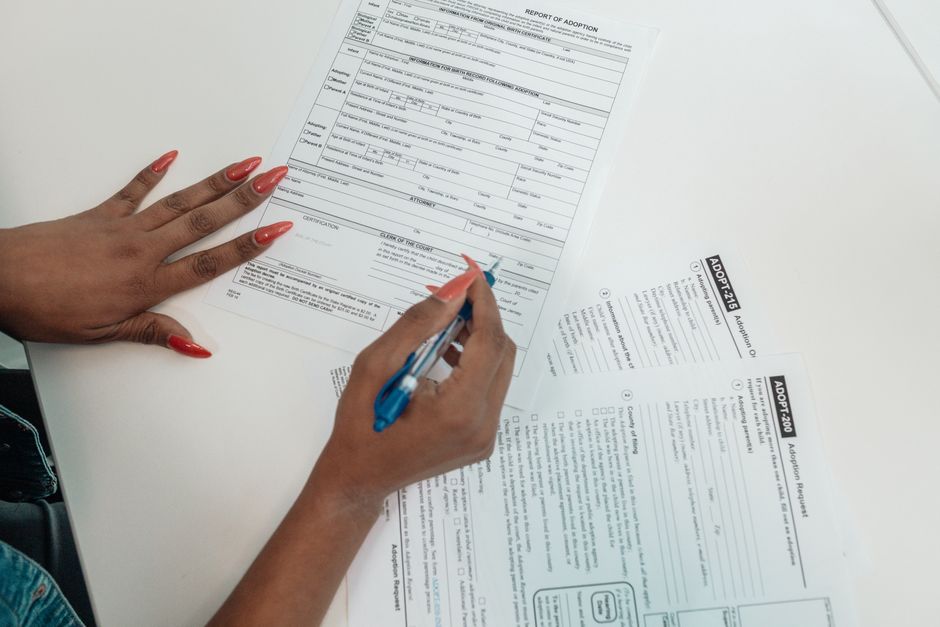
dwc form-083 is a Texas form that lets a hiring contractor and an independent contractor put their working relationship in writing. Both of them sign it to confirm the worker is independent, not an employee, and it is filed with the Texas Department of Insurance, Division of Workers’ Compensation (DWC).
It only covers certain building and construction work. If someone has asked you to sign one, or you were hurt after signing one, this guide explains what it means for you. Take your time and read it before you sign anything.
What the Dwc Form-083 Is For
On a Texas construction site, it is not always clear who counts as an employee. A general contractor may hire a subcontractor, and that subcontractor may bring in its own workers. If someone gets hurt, the big question is whose workers’ comp policy covers the injury. DWC Form-083 is meant to settle that question before the work starts. It is a signed statement that the person doing the work is an independent contractor.
This matters a lot to injured workers. In most cases, an independent contractor is not covered as an employee under the hiring contractor’s workers’ comp policy. As a result, signing this agreement may mean you need your own coverage. That is why you should understand the form before you sign it. For example, a framer who works for many builders and sets their own hours may truly be independent.
However, a worker who is told when, where and how to do every task may not fit that label. To learn who must carry coverage in Texas, see our guide to Texas workers comp requirements.
| Item | Details |
|---|---|
| Form number | DWC Form-083 |
| Form title | Joint Agreement to Affirm Independent Relationship for Certain Building and Construction Workers |
| Who files | A hiring contractor and an independent contractor, filed with DWC |
| Where filed | Texas Department of Insurance, Division of Workers’ Compensation |
| Fee | The form does not list a filing fee. Confirm with DWC. |
| Official PDF | https://www.tdi.texas.gov/forms/dwc/dwc83.pdf |
Who Files the Dwc Form-083 and When
Two parties are involved in DWC Form-083. The first is the hiring contractor, which is the business paying for the work. The second is the independent contractor, which is the person or business doing the work. Both must sign, because it is a joint agreement. Neither side should sign for the other, and both should keep a signed copy for their records.
Typically, the agreement is signed before the job starts or right when it starts. That way, everyone knows ahead of time who is responsible for coverage. Texas rules also set a time limit for sending the signed form to DWC. We do not list the exact number of days here. Instead, check the official form instructions and confirm the deadline with DWC.
A note for workers: signing is your choice. No one should rush you. If you feel pressured, or you are not sure you are really independent, stop and ask questions first. You can reach the agency through our Texas workers comp board guide.
How to Fill It Out and Where to Send It
Always start with the current official version. You can download the official DWC Form-083 PDF straight from TDI. You can also find it on the TDI-DWC numeric forms list. Older copies from a job site or a coworker may be out of date. As a result, an old version could cause delays.
In most cases, the form asks for the same basic details. These include the names, addresses and contact details of both parties. It also asks about the work being done and where it takes place. Then there are statements confirming the independent relationship. Finally, both parties sign and date it. Read every statement slowly. If one does not describe your real situation, do not sign until you get answers.
Common mistakes can get a DWC Form-083 rejected or questioned later. Watch out for these:
- A missing signature or date from either party
- Incomplete names, addresses or business details
- A vague or blank job description
- Using an outdated version of the form
- Sending it in after the filing window has closed
For where to send it, follow the instructions printed on the official form. Those instructions list the current way to file with DWC. Do not guess at an address or mail it to the insurance company by mistake. If you are not sure whether e-filing or mail is accepted, call DWC to confirm before you send it.
📨 Get Free Workers Comp Guides Alerts
Free · No spam · Unsubscribe anytime
What Happens After You File
Once DWC Form-083 is filed, DWC keeps it on record. Typically, you will not get a decision letter, because the form is not a claim. However, it may come up later if a worker is injured. For example, an insurance carrier may point to the agreement when deciding whose policy applies. The real facts of how the work was done may also be considered. Keep your copy somewhere safe.
If you get hurt on the job, report the injury right away, even if you signed this agreement. Coverage questions can be complicated, and you may still have options. Our guide on how to file a Texas workers comp claim walks you through each step. Any money estimates you see online are only examples, and every case is different. Confirm your rights with DWC and a licensed attorney before making big decisions.
Frequently Asked Questions
Do I have to sign DWC Form-083 to get construction work in Texas?
The form is a joint agreement, so both sides must agree to it. You should never feel forced to sign something you do not understand. If you have concerns, talk to DWC or a licensed attorney before you sign.
If I signed DWC Form-083 and got hurt, can I still get workers’ comp?
In most cases, the agreement means the hiring contractor’s policy may not cover you as an employee. However, every situation is different, and the facts of your work still matter. Report your injury quickly and confirm your options with DWC and a licensed attorney.
Is there a fee to file DWC Form-083?
The official form does not list a filing fee. Fees and filing rules can change, though. Check the current form instructions and confirm with DWC before you file.
Dwc form-083: Quick Recap
If you remember one thing about dwc form-083, make it this: the rule is set by the state (or the federal program), not by the insurer, and the official source is linked above. Every figure on this page about dwc form-083 should be confirmed with the agency before you act on it.
Questions about dwc form-083 that this page does not answer are usually answered for free by the state workers’ comp agency’s information line — and, for a disputed claim, by a licensed attorney in a first consultation.
See your state’s exact numbers
What you are owed depends on your state’s benefit caps and deadlines. Start with your state’s settlement and claim guides for the exact figures.
Sources & How to Verify
The figures on this page come from official government and industry sources. Workers’ comp benefit caps, deadlines, and rules change, so always confirm the exact figure with your state’s workers’ comp board or a licensed attorney before acting. Settlement estimates are illustrative, and every case is different.
- Your state workers’ comp board, division, or commission: the official source for your state’s exact caps, deadlines, and forms — search “[your state] workers compensation board”
- U.S. Department of Labor (OWCP): dol.gov — federal workers’ compensation overview
- NCCI: ncci.com — workers’ comp rating and benefit data
- Social Security Administration: ssa.gov — benefit-cap and SSDI offset data
- Insurance Information Institute: iii.org — neutral workers’ comp background
Content last reviewed October 2026. If you notice an outdated figure, please contact us.
Related Guides
- Texas Workers Comp Board
- How to File a Texas Workers Comp Claim
- Texas Workers Comp Requirements
- Workers Comp Settlements by State (All 50)
- Workers Comp Claims by State (All 50)
- More in This Category
- Settlements by Injury
- Benefits Explained
- Workers Comp Glossary
Informational only — not legal, medical, or financial advice. Workers Comp Explained is an independent educational resource, not a law firm, insurer, or medical or financial advisor, and this page does not provide legal, medical, or financial advice. Workers’ compensation benefits, deadlines, and rules vary by state and change over time, and settlement estimates are illustrative only. Always confirm the exact figure and any deadline with your state’s workers’ compensation board and a licensed attorney before you act.