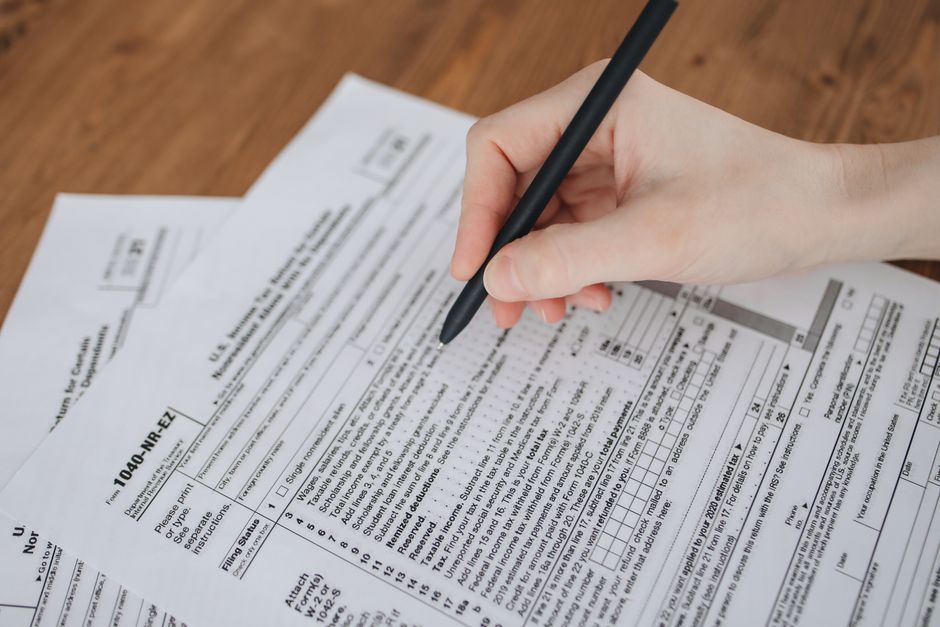
The qme 105 form is how an injured worker in California without a lawyer asks the state for a list of neutral doctors. The worker usually files it, but sometimes the claims administrator does. The official name is “Request for QME Panel under Labor Code 4062.1 (unrepresented worker).” A QME is a Qualified Medical Evaluator. That is a state-certified doctor who gives an independent opinion when you and the insurance company disagree about your medical care or your injury.
What the Qme 105 Form Is For
Workers’ comp claims often turn on medical questions. Is the injury work-related? Are you able to go back to work? Do you have a lasting disability? Your treating doctor may say one thing, and the insurer may disagree. When that happens, the law gives you a neutral doctor to settle the question. The qme 105 form starts that process for workers who do not have a lawyer.
The form matters because the QME report carries a lot of weight. It can affect your temporary disability checks, your permanent disability rating, and your future medical care. As a result, it is worth filling out carefully. Here are the basics in one place:
| Item | Details |
|---|---|
| Form number | QME 105 |
| Form title | Request for QME Panel under Labor Code 4062.1 (unrepresented worker) |
| Who files | The unrepresented injured worker (or the claims administrator) |
| Where filed | California Division of Workers’ Compensation (DWC) Medical Unit |
| Fee | No filing fee for the worker (confirm with DWC) |
| Official PDF | QME 105 official PDF |
The fee line above reflects how the panel process typically works. Still, confirm it with the DWC before you file. The insurer, not you, generally pays for the QME exam itself.
Who Files the Qme 105 Form and When
The qme 105 form is only for unrepresented workers. If you have a lawyer, your lawyer uses a different process. If you hire a lawyer later, the rules for getting a panel may change. In that case, your attorney will handle the next steps.
Typically, the form comes into play after a dispute. For example, the insurer may object to your treating doctor’s report. Or you may disagree with a decision about your disability or work status. The claims administrator usually must send you the form along with a notice explaining your rights. You then fill it out and send it in. If you do not file in time, the claims administrator may be allowed to file the request instead. However, that can mean you lose some say in the choice of specialty.
If you are not sure whether your claim was accepted, start with how to file a California workers comp claim. It is also worth reviewing the California workers comp requirements so you know what the insurer owes you.
How to Fill It Out and Where to Send It
The qme 105 form is short. However, small mistakes can slow things down. You will typically fill in these parts:
- Your information: name, address, and phone number. Use an address where you reliably get mail.
- Claim details: your employer, the claims administrator, and your claim number.
- The dispute: what the disagreement is about, based on the objection letter you received.
- Specialty choice: the type of doctor you want, such as orthopedic or psychology. Pick the specialty that fits your main injury.
- Attachments: a copy of the objection letter or other dispute paperwork, if the form asks for it.
Common rejection reasons are easy to avoid. In most cases, forms get sent back for missing claim numbers, a missing signature, no specialty listed, or no proof of a dispute. Another problem is filing when a lawyer already represents you. Double-check every line before you send it. Keep a copy of everything for your records.
Download the latest version from the DWC forms page or directly as the official qme 105 form PDF. The form’s instructions list where to send it. Typically, you mail it to the DWC Medical Unit. Some requests can also be submitted online. Check the current instructions on the form itself, since filing options can change.
What Happens After You File
After the DWC Medical Unit processes your qme 105 form, it mails you a panel of QMEs in the specialty you chose. You pick one doctor from the list. Then you schedule the exam and tell the claims administrator which doctor you chose. You must act within a set number of days, or the claims administrator may be allowed to choose for you. That deadline is printed on the panel paperwork, so read it as soon as it arrives.
📨 Get Free Workers Comp Guides Alerts
Free · No spam · Unsubscribe anytime
At the exam, the QME reviews your records and examines you. The doctor then writes a report on the disputed issues. That report often shapes what benefits you may be entitled to. If something seems wrong, you can contact the DWC Information and Assistance unit. They help unrepresented workers at no cost. You can learn more about the agency on our California workers comp board page.
Frequently Asked Questions
Do I need a lawyer to file the qme 105 form?
No. The qme 105 form is designed for workers who do not have a lawyer. Many California claimants file it on their own. However, if your case is complex, talking to a licensed attorney before the exam may help.
Can I pick any doctor I want as my QME?
Not quite. You choose the specialty on the form, and the DWC picks the doctors on your panel. You then choose one doctor from that list. This keeps the process neutral for both sides.
What if my qme 105 form gets rejected?
The DWC typically explains why the request was not processed. Fix the problem, such as a missing signature or claim number, and resend it quickly. Because deadlines still run, confirm your timing with the DWC Information and Assistance unit.
Qme 105 form: Quick Recap
If you remember one thing about qme 105 form, make it this: the rule is set by the state (or the federal program), not by the insurer, and the official source is linked above. Every figure on this page about qme 105 form should be confirmed with the agency before you act on it.
Questions about qme 105 form that this page does not answer are usually answered for free by the state workers’ comp agency’s information line — and, for a disputed claim, by a licensed attorney in a first consultation.
See your state’s exact numbers
What you are owed depends on your state’s benefit caps and deadlines. Start with your state’s settlement and claim guides for the exact figures.
Sources & How to Verify
The figures on this page come from official government and industry sources. Workers’ comp benefit caps, deadlines, and rules change, so always confirm the exact figure with your state’s workers’ comp board or a licensed attorney before acting. Settlement estimates are illustrative, and every case is different.
- Your state workers’ comp board, division, or commission: the official source for your state’s exact caps, deadlines, and forms — search “[your state] workers compensation board”
- U.S. Department of Labor (OWCP): dol.gov — federal workers’ compensation overview
- NCCI: ncci.com — workers’ comp rating and benefit data
- Social Security Administration: ssa.gov — benefit-cap and SSDI offset data
- Insurance Information Institute: iii.org — neutral workers’ comp background
Content last reviewed October 2026. If you notice an outdated figure, please contact us.
Related Guides
- California Workers Comp Board
- How to File a California Workers Comp Claim
- California Workers Comp Requirements
- Workers Comp Settlements by State (All 50)
- Workers Comp Claims by State (All 50)
- More in This Category
- Settlements by Injury
- Benefits Explained
- Workers Comp Glossary
Informational only — not legal, medical, or financial advice. Workers Comp Explained is an independent educational resource, not a law firm, insurer, or medical or financial advisor, and this page does not provide legal, medical, or financial advice. Workers’ compensation benefits, deadlines, and rules vary by state and change over time, and settlement estimates are illustrative only. Always confirm the exact figure and any deadline with your state’s workers’ compensation board and a licensed attorney before you act.