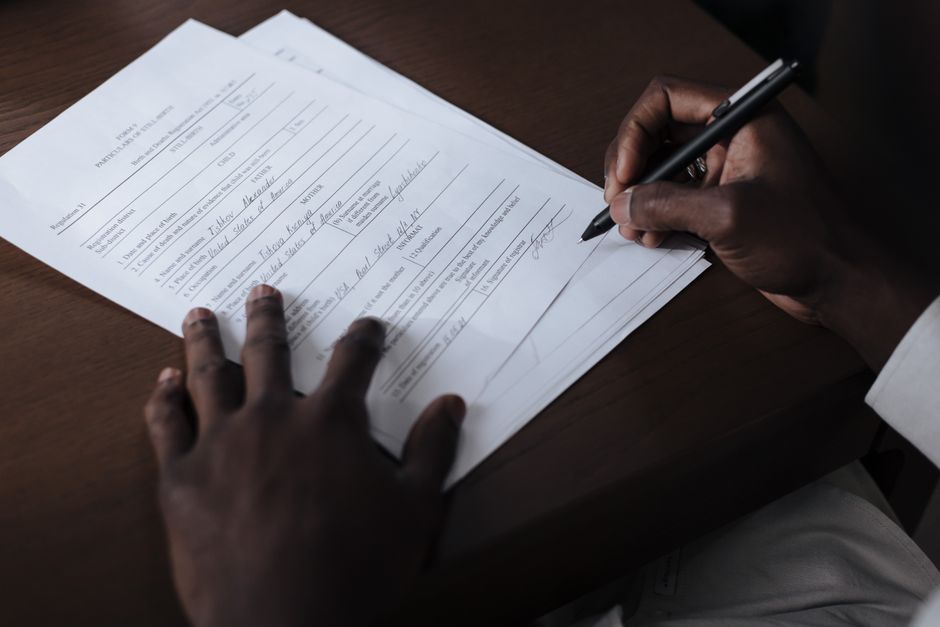
The compromise and release form is the official California settlement agreement that ends a workers’ comp claim in exchange for a lump-sum payment. Both the injured worker and the employer or its insurance company sign it, and a workers’ compensation judge must approve it before it takes effect. If you are hurt and thinking about settling, this guide explains in plain words what the form does, who files it, and what to watch for. Take your time with it. You do not have to decide anything today.
What the Compromise And Release Form Is For
In California, there are two main ways to settle a workers’ comp case. One is a Stipulations with Request for Award, which usually leaves future medical care open. The other is a Compromise and Release. The compromise and release form closes out the claim with a single payment. In most cases, that payment covers permanent disability and future medical care at once. As a result, you would pay for later treatment for that injury on your own or through other coverage.
This can be a good fit for some workers. For example, a worker who wants a clean break from the insurance company may like having the money now. However, it is a final step. Once a judge approves it, the case generally cannot be reopened for new benefits. That is why the law requires a judge to review it first. The judge checks that the deal is fair and that you understand it.
| Item | Details |
|---|---|
| Form number | DWC-CA 10214-c |
| Form title | Compromise and Release (settlement agreement) |
| Who files | Both parties; must be approved by a workers’ compensation judge |
| Where filed | Workers’ Compensation Appeals Board, through the California Division of Workers’ Compensation (DWC) system |
| Fee | Confirm any fee with the DWC before filing |
| Official PDF | DWC-CA 10214-c official PDF |
Who Files the Compromise And Release Form and When
Both sides take part. Typically, the insurance company or its attorney prepares the compromise and release form after you agree on an amount. You review it, initial the key sections, and sign it. Then it is filed with the Workers’ Compensation Appeals Board for a judge’s review. If you have an attorney, they usually handle the filing. If you do not, you can still settle. A judge will review the papers with you to make sure you understand the deal.
Timing matters. Most settlements happen after your doctor says your condition is stable. This is often called maximum medical improvement. Settling earlier can be risky. You may not yet know how much future care you will need. As a result, many California claimants wait for a medical rating before signing anything.
If you have not filed a claim yet, start there first. Read how to file a California workers comp claim before thinking about settlement.
How to Fill It Out and Where to Send It
The compromise and release form has several parts. It lists your name, your employer, the insurance company, and your case number. It describes your injury, the body parts involved, and the dates. It shows the total settlement amount. Then it lists deductions, such as attorney fees, advances already paid, and liens from doctors or other parties. The final number is what you actually receive. Your signature must also be witnessed, typically by two people or a notary.
Several common mistakes slow things down or get a settlement rejected. For example:
- Missing signatures, witness signatures, or initials on required sections.
- A wrong or missing case number.
- Math errors in the deductions.
- Liens that are not explained or resolved.
- No medical reports attached to support the amount.
- Unclear language about future medical care or Medicare.
Represented parties usually e-file through the state’s electronic case system. Unrepresented workers may file paper documents at a local district office. You can download the official form from the California DWC forms page or directly as the compromise and release form PDF. Always use the current version from the state. For background on the board itself, see our guide to the California workers comp board.
What Happens After You File
A workers’ compensation judge reviews the compromise and release form. The judge may approve it as written. The judge may also ask questions, request more medical records, or set a hearing. If the judge finds the amount too low, the settlement can be rejected. Once approved, the judge issues an order approving the settlement. The insurer then pays the lump sum, minus approved deductions.
📨 Get Free Workers Comp Guides Alerts
Free · No spam · Unsubscribe anytime
If you have questions at any point, the DWC has Information and Assistance officers at district offices. They help injured workers for free. They cannot act as your lawyer. However, they can explain the process and your options in plain words. You can also review California workers comp requirements to understand what your employer owes you.
Frequently Asked Questions
Do I give up future medical care if I sign a compromise and release form?
In most cases, yes. A compromise and release form typically closes future medical care for the injury along with other benefits. Some settlements handle medical care differently, so read the terms closely and confirm with a licensed attorney.
How much is a compromise and release settlement worth?
It depends on your disability rating, your wages, your future medical needs, and other factors. Any estimate you see online is illustrative, and every case is different. Confirm the value of your claim with the state and a licensed attorney before agreeing to a number.
Can I change my mind after I sign?
Before a judge approves the deal, you may be able to raise concerns at the review. After approval, the settlement is generally final. There is a short window to ask for reconsideration, so confirm the exact deadline with the DWC right away if you have doubts.
Compromise and release form: Quick Recap
If you remember one thing about compromise and release form, make it this: the rule is set by the state (or the federal program), not by the insurer, and the official source is linked above. Every figure on this page about compromise and release form should be confirmed with the agency before you act on it.
Questions about compromise and release form that this page does not answer are usually answered for free by the state workers’ comp agency’s information line — and, for a disputed claim, by a licensed attorney in a first consultation.
See your state’s exact numbers
What you are owed depends on your state’s benefit caps and deadlines. Start with your state’s settlement and claim guides for the exact figures.
Sources & How to Verify
The figures on this page come from official government and industry sources. Workers’ comp benefit caps, deadlines, and rules change, so always confirm the exact figure with your state’s workers’ comp board or a licensed attorney before acting. Settlement estimates are illustrative, and every case is different.
- Your state workers’ comp board, division, or commission: the official source for your state’s exact caps, deadlines, and forms — search “[your state] workers compensation board”
- U.S. Department of Labor (OWCP): dol.gov — federal workers’ compensation overview
- NCCI: ncci.com — workers’ comp rating and benefit data
- Social Security Administration: ssa.gov — benefit-cap and SSDI offset data
- Insurance Information Institute: iii.org — neutral workers’ comp background
Content last reviewed October 2026. If you notice an outdated figure, please contact us.
Related Guides
- California Workers Comp Board
- How to File a California Workers Comp Claim
- California Workers Comp Requirements
- Workers Comp Settlements by State (All 50)
- Workers Comp Claims by State (All 50)
- More in This Category
- Settlements by Injury
- Benefits Explained
- Workers Comp Glossary
Informational only — not legal, medical, or financial advice. Workers Comp Explained is an independent educational resource, not a law firm, insurer, or medical or financial advisor, and this page does not provide legal, medical, or financial advice. Workers’ compensation benefits, deadlines, and rules vary by state and change over time, and settlement estimates are illustrative only. Always confirm the exact figure and any deadline with your state’s workers’ compensation board and a licensed attorney before you act.