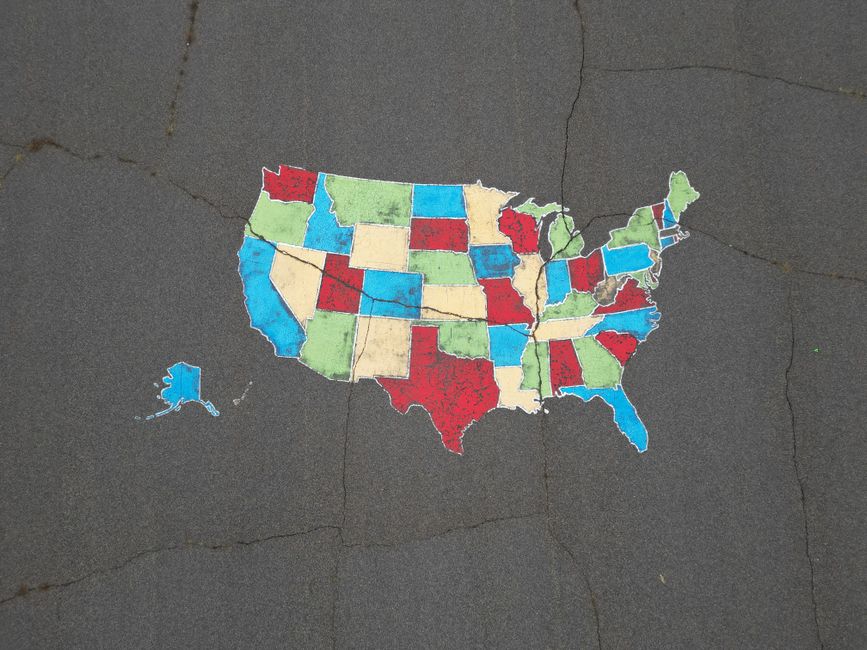
Monopolistic states workers compensation refers to the few U.S. states where employers must buy workers’ comp coverage from a single state-run fund instead of from private insurance companies. Right now, that list is North Dakota, Ohio, Washington, and Wyoming. If you were hurt on the job in one of these states, your claim typically goes to a state agency, not a private insurer. That can feel confusing at first. However, the basic promise is the same everywhere: medical care and wage-loss benefits for a work injury.
What Monopolistic States Workers Compensation Means
In most states, an employer can pick a private insurance company for workers’ comp. Some states also offer a state fund that competes with private insurers. Monopolistic states workers compensation is different. In these states, the state fund is the only seller. As a result, there is no private market for standard workers’ comp policies. The state sets the rates, collects the premiums, and pays the claims.
Some monopolistic states still let very large employers self-insure. For example, Ohio and Washington allow qualified employers to pay their own claims under state oversight. North Dakota and Wyoming typically do not. So even in monopolistic states workers compensation, who handles your claim depends on your employer. In most cases, though, the state agency is your main contact from start to finish.
How Monopolistic States Workers Compensation Works in a Real Claim
Here is how it usually plays out. You get hurt at work. You tell your supervisor. Then a claim is filed with the state agency, not an insurance company. The agency assigns a claims staff member. That person reviews the medical records and decides whether the claim is allowed. If it is allowed, the agency pays your doctor and sends your wage-loss checks.
For example, imagine a warehouse worker in Washington hurts their back lifting a pallet. Their doctor files a report of accident with the Department of Labor & Industries (L&I). L&I decides the claim. If the worker misses work, L&I pays time-loss benefits. If the worker disagrees with a decision, they protest to L&I first. After that, they can appeal to the Board of Industrial Insurance Appeals.
In Ohio, the process is similar but with different names. The Ohio Bureau of Workers’ Compensation (BWC) handles most claims. However, disputes go to the Industrial Commission of Ohio for hearings. If your employer is self-insured, the employer manages the claim instead. In either case, the state still sets the rules and benefit amounts.
How It Varies by State
The four monopolistic states workers compensation systems share one idea, but each runs its own way. North Dakota uses Workforce Safety & Insurance (WSI). Wyoming uses the Workers’ Compensation Division of the Department of Workforce Services. Ohio and Washington have the largest systems, and both allow self-insurance for big employers. Puerto Rico and the U.S. Virgin Islands also use exclusive state-style funds.
Deadlines matter in every state. Typically, you have about one year to file a claim. However, the exact rule, and when the clock starts, differs. Wyoming also expects you to tell your employer very quickly. The table below shows the main points. Benefit caps change every year, so check the agency’s current rate before relying on any number.
| State | State agency that handles claims | Self-insurance allowed? | General claim filing deadline |
|---|---|---|---|
| North Dakota | Workforce Safety & Insurance (WSI) | No | 1 year from the date of injury |
| Ohio | Bureau of Workers’ Compensation (BWC); hearings at the Industrial Commission | Yes, for qualified employers | 1 year from the date of injury |
| Washington | Department of Labor & Industries (L&I) | Yes, for qualified employers | 1 year from injury; 2 years for occupational disease (from when a doctor gives written notice) |
| Wyoming | Department of Workforce Services, Workers’ Compensation Division | No | 1 year from injury; tell your employer within 72 hours |
What to Do When You Hear This Term
If someone says your state is monopolistic, don’t worry. It does not mean you have fewer rights. It mostly means you deal with a state agency instead of a private insurer. In most cases, you can file or check your claim online through the agency’s website. Keep copies of every letter and decision. Write down your claim number and your claims contact’s name.
Next, watch for decision letters. Each one usually has its own short appeal window. For example, Washington gives 60 days to protest or appeal most L&I orders. Ohio gives 14 days to appeal many hearing orders. If a letter confuses you, call the agency and ask. You can also look up unfamiliar words in our workers’ comp glossary. Before making a big decision, confirm the details with your state board and a licensed attorney.
📨 Get Free Workers Comp Guides Alerts
Free · No spam · Unsubscribe anytime
Frequently Asked Questions
Which states are monopolistic states for workers compensation?
The four monopolistic states workers compensation applies to are North Dakota, Ohio, Washington, and Wyoming. Puerto Rico and the U.S. Virgin Islands also use exclusive government funds. In all other states, private insurers can sell workers’ comp coverage.
Do I get lower benefits in a monopolistic state?
Not necessarily. Benefit amounts are set by each state’s law, not by whether the fund is monopolistic. Some monopolistic states pay benefits similar to or higher than nearby states. Any settlement estimate is illustrative only, and every case is different.
Can I settle my claim in a monopolistic state?
It depends on the state. Ohio allows settlements with BWC or self-insured employers under certain rules. Washington generally limits settlements and uses structured agreements only in certain cases. Ask your state agency and a licensed attorney what options may apply to you.
Monopolistic states workers compensation: Quick Recap
If you remember one thing about monopolistic states workers compensation, make it this: the rule is set by the state (or the federal program), not by the insurer, and the official source is linked above. Every figure on this page about monopolistic states workers compensation should be confirmed with the agency before you act on it.
Questions about monopolistic states workers compensation that this page does not answer are usually answered for free by the state workers’ comp agency’s information line — and, for a disputed claim, by a licensed attorney in a first consultation.
See your state’s exact numbers
What you are owed depends on your state’s benefit caps and deadlines. Start with your state’s settlement and claim guides for the exact figures.
Sources & How to Verify
The figures on this page come from official government and industry sources. Workers’ comp benefit caps, deadlines, and rules change, so always confirm the exact figure with your state’s workers’ comp board or a licensed attorney before acting. Settlement estimates are illustrative, and every case is different.
- Your state workers’ comp board, division, or commission: the official source for your state’s exact caps, deadlines, and forms — search “[your state] workers compensation board”
- U.S. Department of Labor (OWCP): dol.gov — federal workers’ compensation overview
- NCCI: ncci.com — workers’ comp rating and benefit data
- Social Security Administration: ssa.gov — benefit-cap and SSDI offset data
- Insurance Information Institute: iii.org — neutral workers’ comp background
Content last reviewed October 2026. If you notice an outdated figure, please contact us.
Related Guides
- Workers Comp Settlements by State (All 50)
- Workers Comp Claims by State (All 50)
- More in This Category
- Settlements by Injury
- Benefits Explained
- Workers Comp Glossary
Informational only — not legal, medical, or financial advice. Workers Comp Explained is an independent educational resource, not a law firm, insurer, or medical or financial advisor, and this page does not provide legal, medical, or financial advice. Workers’ compensation benefits, deadlines, and rules vary by state and change over time, and settlement estimates are illustrative only. Always confirm the exact figure and any deadline with your state’s workers’ compensation board and a licensed attorney before you act.