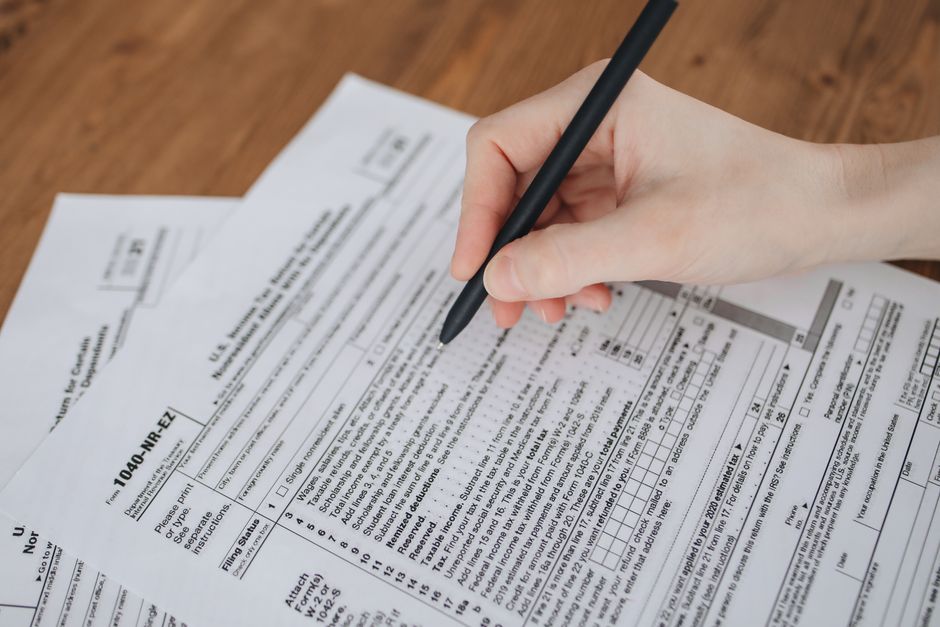
Form 5020 is California’s Employer’s Report of Occupational Injury or Illness (DLSR 5020). Your employer files it, not you. It is the employer’s written account of your work injury or illness. It goes to the company handling the workers’ comp claim. If you were hurt at work, it helps to know what this form says and when it is due. That way you can check that your claim starts on the right foot.
What the Form 5020 Is For
The form 5020 tells the claims administrator what happened, when, and to whom. The claims administrator is usually your employer’s insurance company. In some cases, it is a company that handles claims for a self-insured employer. The report gives them the basic facts they need to open and review your claim. It does not decide whether your claim is approved. It is simply the employer’s side of the first report.
In most cases, the employer must file this report for injuries that need more than first aid. It is also required when the injury causes lost time beyond the day it happened. Work-related illnesses count too, not just accidents. For example, a repetitive strain injury or a breathing problem from chemicals at work can trigger the report. The California Division of Workers’ Compensation (DWC) lists this and other official forms on its DWC forms page.
| Item | Details |
|---|---|
| Form number | Form 5020 |
| Form title | Employer’s Report of Occupational Injury or Illness (DLSR 5020) |
| Who files | The employer |
| Where it is filed | With the claims administrator |
| Filing deadline | Within 5 days of knowledge of the injury |
| Fee | None. There is no filing fee for the worker or the employer. |
| Agency | California Division of Workers’ Compensation (DWC) |
| Official PDF | https://www.dir.ca.gov/DOSH/DoshReg/Form5020.pdf |
Who Files the Form 5020 and When
The employer files this report. That is the law in California, and it is not your job. Typically, a manager, HR staff member, or business owner completes it. They sign it and send it to the claims administrator. You may be asked questions so they can fill it in. Answer honestly and stick to the facts you know.
Your own steps are separate. You should tell your employer about the injury as soon as you can. California also has a notice deadline for workers and a longer deadline to file a claim. We do not list those day counts here. Please confirm them with the California workers comp board before you rely on any date. As a result, reporting early protects you best.
Keep in mind that the employer report is not your claim form. You still file your own claim form with your employer. Our guide on how to file a California workers comp claim walks through that step. Both papers matter, and one does not replace the other.
How to Fill It Out and Where to Send It
The employer can download the official form 5020 PDF from the state website. The form asks for the employer’s name, address, and insurance details. It asks for the worker’s name, job title, and contact information. It also asks for the date, time, and place of the injury. Then it asks what the worker was doing and how the injury happened. Finally, it covers the body part hurt, medical care, and any lost work time.
Some mistakes come up again and again. A claims administrator may send back or question a form 5020 that has these problems:
- The wrong date of injury, or no date at all.
- A vague description, such as “hurt back” with no detail on how.
- A missing body part or the wrong side of the body.
- No signature or no name of the person who completed it.
- Missing insurance or policy details.
- Filing late, well after the employer knew about the injury.
The form goes to the claims administrator, not to you or a court. Many insurers let employers submit reports online. Others accept mail, fax, or email. The employer should ask its insurer which method it prefers. In most cases, the employer should also keep a copy for its own records. Serious injuries may also need a separate, faster report to Cal/OSHA. The employer should confirm that rule with the state.
What Happens After You File
Once the claims administrator receives the report, they review it alongside your claim form and medical records. They may contact you, your employer, or your doctor. Your treating doctor also sends in a separate first report. The claims administrator then decides whether to accept, delay, or deny the claim. They must tell you their decision in writing. A filed form 5020 does not mean your claim is approved, and it does not mean it is denied.
📨 Get Free Workers Comp Guides Alerts
Free · No spam · Unsubscribe anytime
If something on the report is wrong, do not panic. You can share your own account in writing and keep a copy. If your employer refuses to file at all, you can still move your claim forward. You can contact the DWC through its official forms and information page. It also helps to review the California workers comp requirements your employer must meet.
Frequently Asked Questions
Do I have to fill out form 5020 myself?
No. The employer is responsible for completing and filing it. You may be asked for details, but the signature and filing are the employer’s job.
Can I ask for a copy of my employer’s report?
Yes, you can ask your employer or the claims administrator for a copy. Reviewing it lets you catch errors early. If the facts are wrong, write down your own version and keep it with your records.
What if my employer never files the report?
A late or missing report does not erase your right to file a claim. You should still file your own claim form and keep proof that you reported the injury. You may also contact the DWC, and you may want to speak with a licensed attorney about your options.
Form 5020: Quick Recap
If you remember one thing about form 5020, make it this: the rule is set by the state (or the federal program), not by the insurer, and the official source is linked above. Every figure on this page about form 5020 should be confirmed with the agency before you act on it.
Questions about form 5020 that this page does not answer are usually answered for free by the state workers’ comp agency’s information line — and, for a disputed claim, by a licensed attorney in a first consultation.
See your state’s exact numbers
What you are owed depends on your state’s benefit caps and deadlines. Start with your state’s settlement and claim guides for the exact figures.
Sources & How to Verify
The figures on this page come from official government and industry sources. Workers’ comp benefit caps, deadlines, and rules change, so always confirm the exact figure with your state’s workers’ comp board or a licensed attorney before acting. Settlement estimates are illustrative, and every case is different.
- Your state workers’ comp board, division, or commission: the official source for your state’s exact caps, deadlines, and forms — search “[your state] workers compensation board”
- U.S. Department of Labor (OWCP): dol.gov — federal workers’ compensation overview
- NCCI: ncci.com — workers’ comp rating and benefit data
- Social Security Administration: ssa.gov — benefit-cap and SSDI offset data
- Insurance Information Institute: iii.org — neutral workers’ comp background
Content last reviewed October 2026. If you notice an outdated figure, please contact us.
Related Guides
- California Workers Comp Board
- How to File a California Workers Comp Claim
- California Workers Comp Requirements
- Workers Comp Settlements by State (All 50)
- Workers Comp Claims by State (All 50)
- More in This Category
- Settlements by Injury
- Benefits Explained
- Workers Comp Glossary
Informational only — not legal, medical, or financial advice. Workers Comp Explained is an independent educational resource, not a law firm, insurer, or medical or financial advisor, and this page does not provide legal, medical, or financial advice. Workers’ compensation benefits, deadlines, and rules vary by state and change over time, and settlement estimates are illustrative only. Always confirm the exact figure and any deadline with your state’s workers’ compensation board and a licensed attorney before you act.