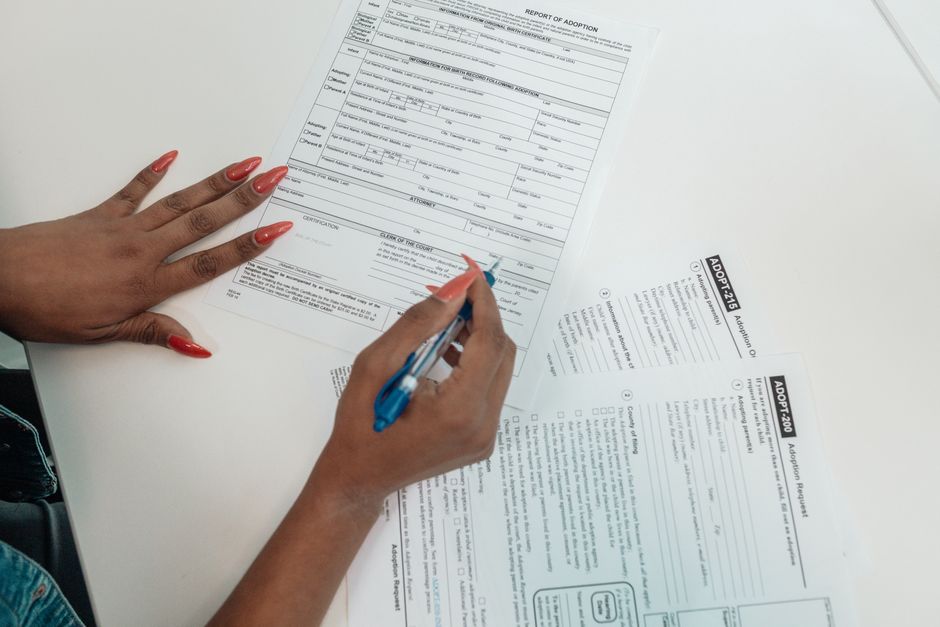
The dwc-1 form is California’s official workers’ compensation claim form. If you got hurt or sick because of your job, it is the paper that starts your claim. You fill out the employee section, and your employer completes the rest. It is short and free to file. Filing it early protects your right to benefits while you focus on healing.
What the Dwc-1 Form Is For
The dwc-1 form turns “I got hurt at work” into an official claim. Telling your supervisor matters, but it is not the same as filing. The form creates a written record with a date on it. As a result, the insurance company has to look at your claim and decide whether to accept it. Typically, the form also helps you get medical care started while that decision is made.
The form comes from the California Division of Workers’ Compensation (DWC). You can find it, along with other official forms, on the DWC forms page. Here are the key facts in one place:
| Item | Details |
|---|---|
| Form number | DWC 1 |
| Form title | Workers’ Compensation Claim Form |
| Who files | The injured worker fills the employee section; the employer must give it within one working day of notice of injury |
| Where it is filed | With your employer, who sends it to their workers’ comp insurer (not mailed to the DWC by the worker) |
| Fee | No fee for the worker to file |
| Agency | California Division of Workers’ Compensation (DWC) |
| Official PDF | https://www.dir.ca.gov/dwc/DWCForm1.pdf |
Who Files the Dwc-1 Form and When
You, the injured worker, file the dwc-1 form. However, your employer has a duty too. Once your employer learns you were hurt, they must give you the form. They also have to complete the employer section after you return it. In most cases, your employer then sends it on to their insurance company.
Don’t wait to file. A late report can give the insurer a reason to question your claim. For example, if weeks go by, they may ask whether the injury really happened at work. If your employer never gave you the form, you can download the dwc-1 form yourself. You can then hand it in directly. For a step-by-step overview, see our guide on how to file a California workers comp claim.
Some injuries build up slowly. Back strain, hearing loss, and repetitive stress are common examples. In those cases, the clock usually starts when you first knew, or should have known, that work caused the problem. Ask the DWC how this rule applies to you.
How to Fill It Out and Where to Send It
The dwc-1 form has two main parts. The employee section asks for your name, address, the date of injury, and where it happened. It also asks you to describe the injury and which body parts were hurt. The employer section covers the employer’s details, the insurer, and the date they received the form. Typically, the form also includes a notice explaining your rights.
Common mistakes can slow a claim down. Watch out for these:
- Leaving out a body part. List every area that hurts, even if it seems minor.
- Writing a vague description. Say what you were doing and how you got hurt.
- Getting the date wrong. Use the date of the event, or the date you learned work caused it.
- Forgetting to sign and date it.
- Not keeping a copy. Always keep one for yourself.
You give the completed dwc-1 form to your employer, not to the DWC. Hand-deliver it if you can, and ask for a dated copy back. If you mail it, consider certified mail so you have proof. Download the current version from the official DWC 1 PDF. To learn more about the agency, visit our page on the California workers comp board.
What Happens After You File
Once your employer receives the dwc-1 form, they must send it to their insurer. In most cases, your employer must also authorize medical treatment while the claim is reviewed. This is limited to a set dollar amount until the claim is decided. The insurer then has a limited time to accept or deny your claim. If they don’t decide in time, the claim may be presumed accepted. Confirm the exact time limits and dollar cap with the DWC.
📨 Get Free Workers Comp Guides Alerts
Free · No spam · Unsubscribe anytime
You should get written letters from the insurer explaining each decision. Keep every letter in a folder. If your claim is denied, you have the right to challenge it. You can also ask the DWC’s Information and Assistance unit for free help. To check whether your job is covered, read our guide on California workers comp requirements.
Frequently Asked Questions
What if my employer refuses to give me the dwc-1 form?
You don’t need your employer’s permission to get the form. You can download it from the DWC website and give it to your employer yourself. Keep proof of the date you turned it in.
Can I file the dwc-1 form even if I’m not sure my injury is serious?
Yes, and many California claimants are glad they did. Some injuries get worse over time. Filing early creates a record, which may help you if you need care later.
Does filing the dwc-1 form mean I’m suing my employer?
No. Filing a workers’ comp claim is not a lawsuit. It is a request for benefits through your employer’s insurance. In California, it is illegal for an employer to punish you for filing a claim.
Dwc-1 form: Quick Recap
If you remember one thing about dwc-1 form, make it this: the rule is set by the state (or the federal program), not by the insurer, and the official source is linked above. Every figure on this page about dwc-1 form should be confirmed with the agency before you act on it.
Questions about dwc-1 form that this page does not answer are usually answered for free by the state workers’ comp agency’s information line — and, for a disputed claim, by a licensed attorney in a first consultation.
See your state’s exact numbers
What you are owed depends on your state’s benefit caps and deadlines. Start with your state’s settlement and claim guides for the exact figures.
Sources & How to Verify
The figures on this page come from official government and industry sources. Workers’ comp benefit caps, deadlines, and rules change, so always confirm the exact figure with your state’s workers’ comp board or a licensed attorney before acting. Settlement estimates are illustrative, and every case is different.
- Your state workers’ comp board, division, or commission: the official source for your state’s exact caps, deadlines, and forms — search “[your state] workers compensation board”
- U.S. Department of Labor (OWCP): dol.gov — federal workers’ compensation overview
- NCCI: ncci.com — workers’ comp rating and benefit data
- Social Security Administration: ssa.gov — benefit-cap and SSDI offset data
- Insurance Information Institute: iii.org — neutral workers’ comp background
Content last reviewed October 2026. If you notice an outdated figure, please contact us.
Related Guides
- California Workers Comp Board
- How to File a California Workers Comp Claim
- California Workers Comp Requirements
- Workers Comp Settlements by State (All 50)
- Workers Comp Claims by State (All 50)
- More in This Category
- Settlements by Injury
- Benefits Explained
- Workers Comp Glossary
Informational only — not legal, medical, or financial advice. Workers Comp Explained is an independent educational resource, not a law firm, insurer, or medical or financial advisor, and this page does not provide legal, medical, or financial advice. Workers’ compensation benefits, deadlines, and rules vary by state and change over time, and settlement estimates are illustrative only. Always confirm the exact figure and any deadline with your state’s workers’ compensation board and a licensed attorney before you act.