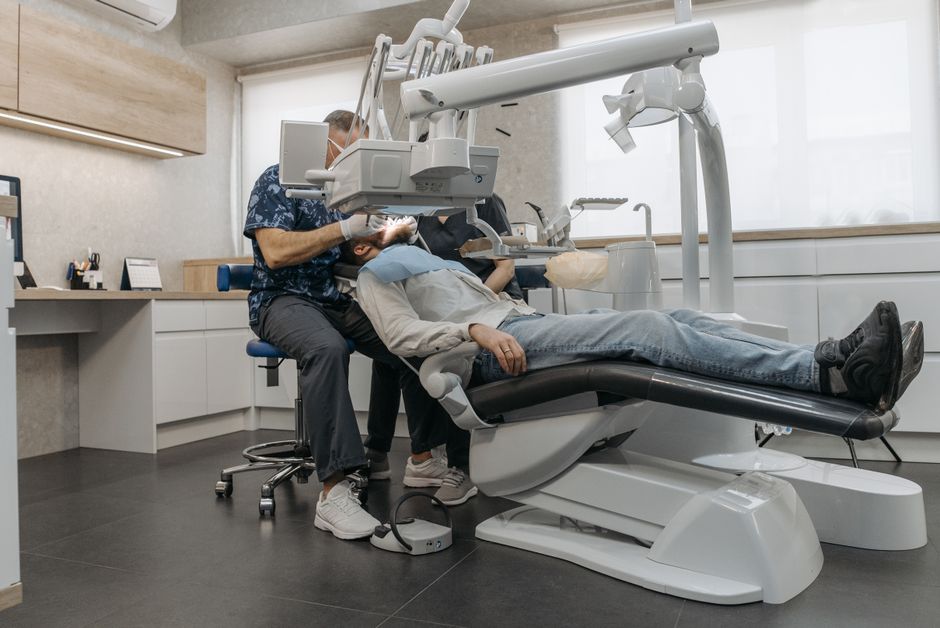
Does workers comp cover dental care? Yes, in most cases it does, when a work accident or work duty caused the damage to your teeth, jaw, or dental work. If you broke a tooth in a fall at work, got hit in the mouth by equipment, or cracked your dentures on the job, your claim can generally pay for the dental treatment.
However, workers comp does not pay for routine cleanings or for tooth problems that have nothing to do with your job. The key question is always whether work caused the damage.
Does Workers Comp Cover Dental: The Rule
So, does workers comp cover dental work under the law? Every state’s workers’ comp system must pay “reasonable and necessary” medical care for a work injury. Dental care counts as medical care when the injury caused the need for it. As a result, a dentist or oral surgeon is treated like any other treating provider on your claim.
Some laws spell this out directly. For example, California Labor Code section 3208 says an “injury” includes injuries to “artificial members, dentures, hearing aids, eyeglasses.” That means a broken denture can be a compensable injury even if your mouth was not hurt. For federal workers, the Federal Employees’ Compensation Act (FECA) lists dentists in its definition of “physician.” The U.S. Department of Labor’s FECA program pays for medical services that treat an accepted work injury.
Deadlines matter just as much as the rule. The table below shows the exact notice and filing deadlines in several large states. These apply to dental injuries the same way they apply to any other work injury.
| State / Program | Notice to Employer | Deadline to File Claim | How Dental Fits In |
|---|---|---|---|
| California | 30 days (Labor Code 5400) | 1 year from injury (Labor Code 5405) | Law expressly counts damaged dentures as an injury |
| New York | 30 days (WCL Section 18) | 2 years from injury (WCL Section 28) | Dental care paid as medical treatment for the injury |
| Texas | 30 days | 1 year from injury | Dental care paid as reasonable medical care |
| Florida | 30 days (F.S. 440.185) | 2 years from injury (F.S. 440.19) | Dental care paid as medically necessary care |
| Federal workers (FECA) | 30 days (Form CA-1) | 3 years from injury | Dentists count as “physicians” under the law |
Treatment costs vary widely. A crown, an implant, or a full set of dentures can cost thousands of dollars. Any dollar figures you see online are only illustrative, and every case is different. Confirm the exact deadline in your state with your state workers’ comp board and a licensed attorney before acting.
When the Answer Changes
The answer to “does workers comp cover dental” can change based on how the damage happened. Typically, these situations are covered: a fall, a blow to the face, a car crash while driving for work, or a seizure or faint caused by work conditions. Some states also cover jaw problems like TMJ disorder if work stress or an injury caused them. However, these are harder claims and often need a specialist’s opinion.
Coverage is often denied in other situations. For example, routine cleanings, cavities from normal decay, and cosmetic work are not covered. Teeth that were already badly damaged are a gray area. In most cases, workers comp still pays if the work accident made an old problem worse. It may pay only for the part the accident caused, though. States handle this “aggravation” rule differently.
Proof is what makes or breaks a dental claim. You will typically need an incident report, photos of the injury, and witness names. Your dentist’s notes should say the damage came from the work accident. Your prior dental records can help, too. They show your teeth were healthy before. Some states also require you to see a dentist on the insurer’s approved network, so ask before you book.
What to Do Next
First, tell your supervisor about the injury in writing, even if it seems small. A chipped tooth can turn into a root canal weeks later. Next, get care and tell the dentist this is a work injury. Ask your employer for the claim form and the insurer’s contact information. Keep copies of every bill, receipt, and note. If you already paid out of pocket, ask the insurer about reimbursement.
📨 Get Free Workers Comp Guides Alerts
Free · No spam · Unsubscribe anytime
If the insurer says no, you have options. Ask for the denial in writing, with the reason stated. Then ask your dentist for a letter linking the damage to the accident. Most states let you request a hearing or file a dispute with the state board. Many state boards also have free ombudsman or worker help lines. A licensed workers’ comp attorney can review your case, and many offer free consultations. Typically, attorney fees in comp cases are capped by state law.
Frequently Asked Questions
Does workers comp cover dental implants?
In many cases, yes, if a work injury caused you to lose the tooth. The insurer may first ask whether a bridge or denture would be “reasonable” instead. Your dentist’s written explanation of why an implant is needed can make a big difference.
Does workers comp cover dental damage to dentures I was already wearing?
Often, yes. California law, for example, counts damage to dentures as an injury on its own. Other states may cover it as part of a broader accident claim, so check your state’s rules.
Can workers comp pay for future dental work?
It can. Some dental injuries need more work years later, like replacing a crown or an implant. If you settle your claim, ask how future dental care is handled before you sign, because some settlements close future medical benefits.
Does workers comp cover dental: Quick Recap
If you remember one thing about does workers comp cover dental, make it this: the rule is set by the state (or the federal program), not by the insurer, and the official source is linked above. Every figure on this page about does workers comp cover dental should be confirmed with the agency before you act on it.
Questions about does workers comp cover dental that this page does not answer are usually answered for free by the state workers’ comp agency’s information line — and, for a disputed claim, by a licensed attorney in a first consultation.
See your state’s exact numbers
What you are owed depends on your state’s benefit caps and deadlines. Start with your state’s settlement and claim guides for the exact figures.
Sources & How to Verify
The figures on this page come from official government and industry sources. Workers’ comp benefit caps, deadlines, and rules change, so always confirm the exact figure with your state’s workers’ comp board or a licensed attorney before acting. Settlement estimates are illustrative, and every case is different.
- Your state workers’ comp board, division, or commission: the official source for your state’s exact caps, deadlines, and forms — search “[your state] workers compensation board”
- U.S. Department of Labor (OWCP): dol.gov — federal workers’ compensation overview
- NCCI: ncci.com — workers’ comp rating and benefit data
- Social Security Administration: ssa.gov — benefit-cap and SSDI offset data
- Insurance Information Institute: iii.org — neutral workers’ comp background
Content last reviewed October 2026. If you notice an outdated figure, please contact us.
Related Guides
- Workers Comp Settlements by State (All 50)
- Workers Comp Claims by State (All 50)
- More in This Category
- Settlements by Injury
- Benefits Explained
- Workers Comp Glossary
Informational only — not legal, medical, or financial advice. Workers Comp Explained is an independent educational resource, not a law firm, insurer, or medical or financial advisor, and this page does not provide legal, medical, or financial advice. Workers’ compensation benefits, deadlines, and rules vary by state and change over time, and settlement estimates are illustrative only. Always confirm the exact figure and any deadline with your state’s workers’ compensation board and a licensed attorney before you act.