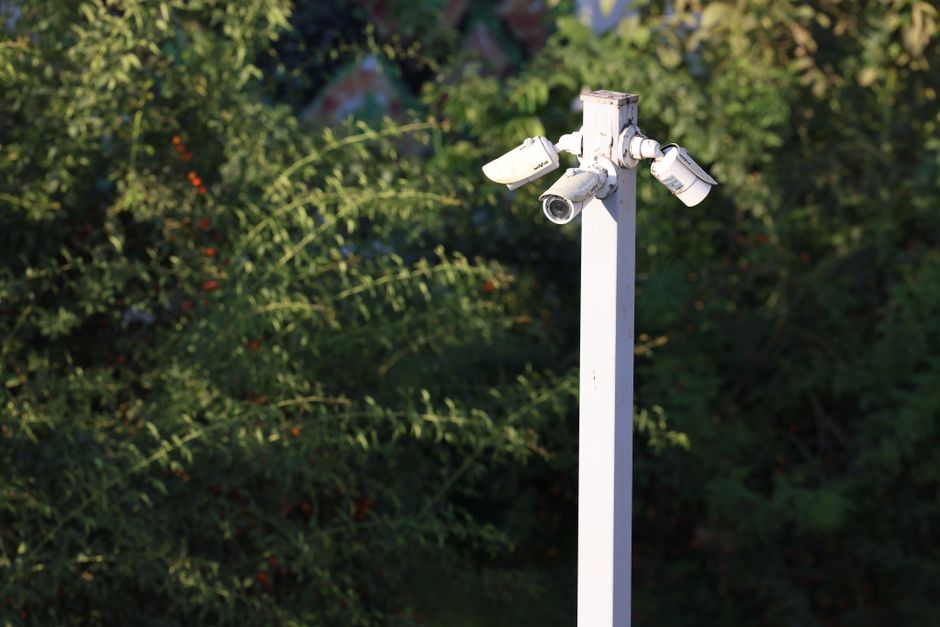
Workers comp surveillance feels scary, but it does not mean your claim is over. It simply means an insurer is checking whether your injury matches what you report. If you are honest and follow your doctor’s orders, surveillance usually works in your favor. In most cases, investigators only watch what anyone could see in public. They cannot trespass, peek through your windows, or secretly record your private conversations. Take a breath. You have rights, and you can protect your claim with a few calm, simple steps.
Where You Stand: Workers Comp Surveillance
Surveillance is legal in every state. Insurers hire private investigators to confirm that your injury and your activity line up. For example, they may film you walking, driving, shopping, or carrying bags. They want to see if you exceed your doctor’s restrictions.
However, the law sets clear limits. Investigators cannot enter your home or fenced yard. They cannot record private audio without consent in most states. They cannot pose as your doctor or hack your private accounts. Public view is fair game; private spaces are not.
The rules are broadly similar nationwide, but a few details vary by state. Your weekly benefit cap also varies. Here are exact 2026 maximum weekly wage-loss figures from each state’s workers’ compensation authority.
| State | Max weekly benefit (2026) | Source authority |
|---|---|---|
| California | $1,764.11 | CA Dept. of Industrial Relations (DWC) |
| New York | $1,222.42 (rises to $1,281.50 on July 1, 2026) | NY Workers’ Comp Board |
| Texas | $1,271.00 | Texas Dept. of Insurance (DWC) |
| Florida | $1,358.00 | Florida Division of Workers’ Comp |
These caps show what your wage-loss check can reach. Surveillance is one tool insurers use before paying or settling. Confirm your exact rate with your state board.
What to Do (Step by Step)
First, follow every medical restriction exactly. If your doctor says no lifting over 10 pounds, do not lift more, ever. Consistency is your best protection against workers comp surveillance.
Second, assume you may be watched in any public place. For example, the parking lot, the pharmacy, or your front porch are all fair game. Act the same way you would describe your limits to your doctor.
Third, lock down your social media. Set accounts to private. Do not post photos of activities, trips, or hobbies. Ask friends not to tag you. Investigators routinely review public posts during a workers comp surveillance review.
Fourth, keep a simple daily symptom log. Note pain levels, bad days, and missed activities. This record helps explain a moment of surveillance footage that looks better than your typical day.
Common Mistakes and What to Watch For
The biggest mistake is exaggerating. Never overstate your limits to your doctor or adjuster. One honest “good day” on video rarely hurts an honest claim. A clear contradiction can.
Another trap is the surprise phone call or visit. An adjuster may ask you to describe a heavy task or invite you to a “fun” event. Answer honestly and stay within your real limits.
📨 Get Free Workers Comp Guides Alerts
Free · No spam · Unsubscribe anytime
People also miss their rights. Typically, surveillance evidence must be disclosed before a hearing, and you can challenge unfair or edited footage. The table below shows how a few states handle this.
| State | How the surveillance answer can vary |
|---|---|
| California | Public surveillance allowed; sub rosa video generally must be disclosed before it is used at hearing. |
| New York | Surveillance permitted; insurer must produce relevant footage during the claim’s evidence exchange. |
| Texas | Surveillance allowed; non-subscriber employers add separate rules, so confirm your employer’s coverage type. |
| Florida | Public observation and social media review allowed; two-party consent limits secret audio recording. |
When to Get a Lawyer Involved
You do not always need a lawyer. However, certain signals mean it is time to ask one for help. A free consultation is just that — help, not pressure.
Call an attorney if your benefits are suddenly cut or denied after surveillance. The same goes if the insurer accuses you of fraud, or shows footage you believe is misleading or edited. As a result of these moves, your check can stop fast.
You should also get advice before any settlement. A lawyer can confirm the body-part value, the weeks owed, and whether the offer is fair. Many state claimants leave money on the table without one. Confirm your numbers with your state board and a licensed attorney.
Frequently Asked Questions
Can workers comp surveillance follow me into my home?
No. Investigators cannot trespass, enter your home, or film through your windows. They may only record what is visible from a public place. Private spaces stay protected.
Does one video of me moving normally end my claim?
Usually not. Everyone has better and worse days. A single clip rarely outweighs honest medical records and a consistent symptom log. Problems mainly arise from clear contradictions.
Can they use my Facebook or Instagram posts?
Yes, if the posts are public. Investigators routinely review public social media during a workers comp surveillance check. Set your accounts to private and avoid posting activities.
See your state’s exact numbers
What you are owed depends on your state’s benefit caps and deadlines. Start with your state’s settlement and claim guides for the exact figures.
Sources & How to Verify
The figures on this page come from official government and industry sources. Workers’ comp benefit caps, deadlines, and rules change, so always confirm the exact figure with your state’s workers’ comp board or a licensed attorney before acting. Settlement estimates are illustrative, and every case is different.
- Your state workers’ comp board, division, or commission: the official source for your state’s exact caps, deadlines, and forms — search “[your state] workers compensation board”
- U.S. Department of Labor (OWCP): dol.gov — federal workers’ compensation overview
- NCCI: ncci.com — workers’ comp rating and benefit data
- Social Security Administration: ssa.gov — benefit-cap and SSDI offset data
- Insurance Information Institute: iii.org — neutral workers’ comp background
Content last reviewed June 2026. If you notice an outdated figure, please contact us.
Related Guides
- Workers Comp Settlements by State (All 50)
- Workers Comp Claims by State (All 50)
- More in This Category
- Settlements by Injury
- Benefits Explained
- Workers Comp Glossary
Informational only — not legal, medical, or financial advice. Workers Comp Explained is an independent educational resource, not a law firm, insurer, or medical or financial advisor, and this page does not provide legal, medical, or financial advice. Workers’ compensation benefits, deadlines, and rules vary by state and change over time, and settlement estimates are illustrative only. Always confirm the exact figure and any deadline with your state’s workers’ compensation board and a licensed attorney before you act.